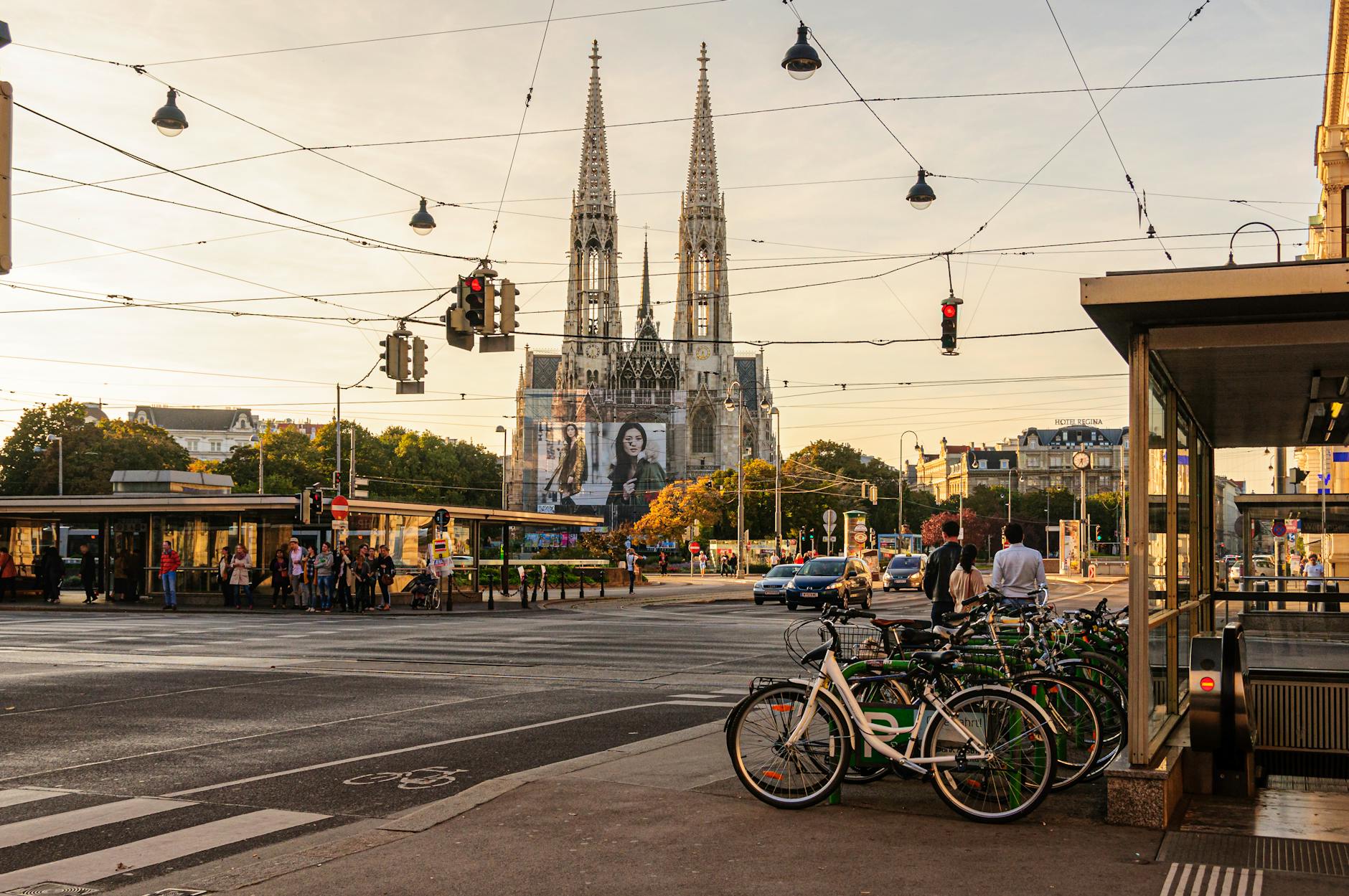
Why Australia's Natural Beauty Enhances Your Visual Storytelling
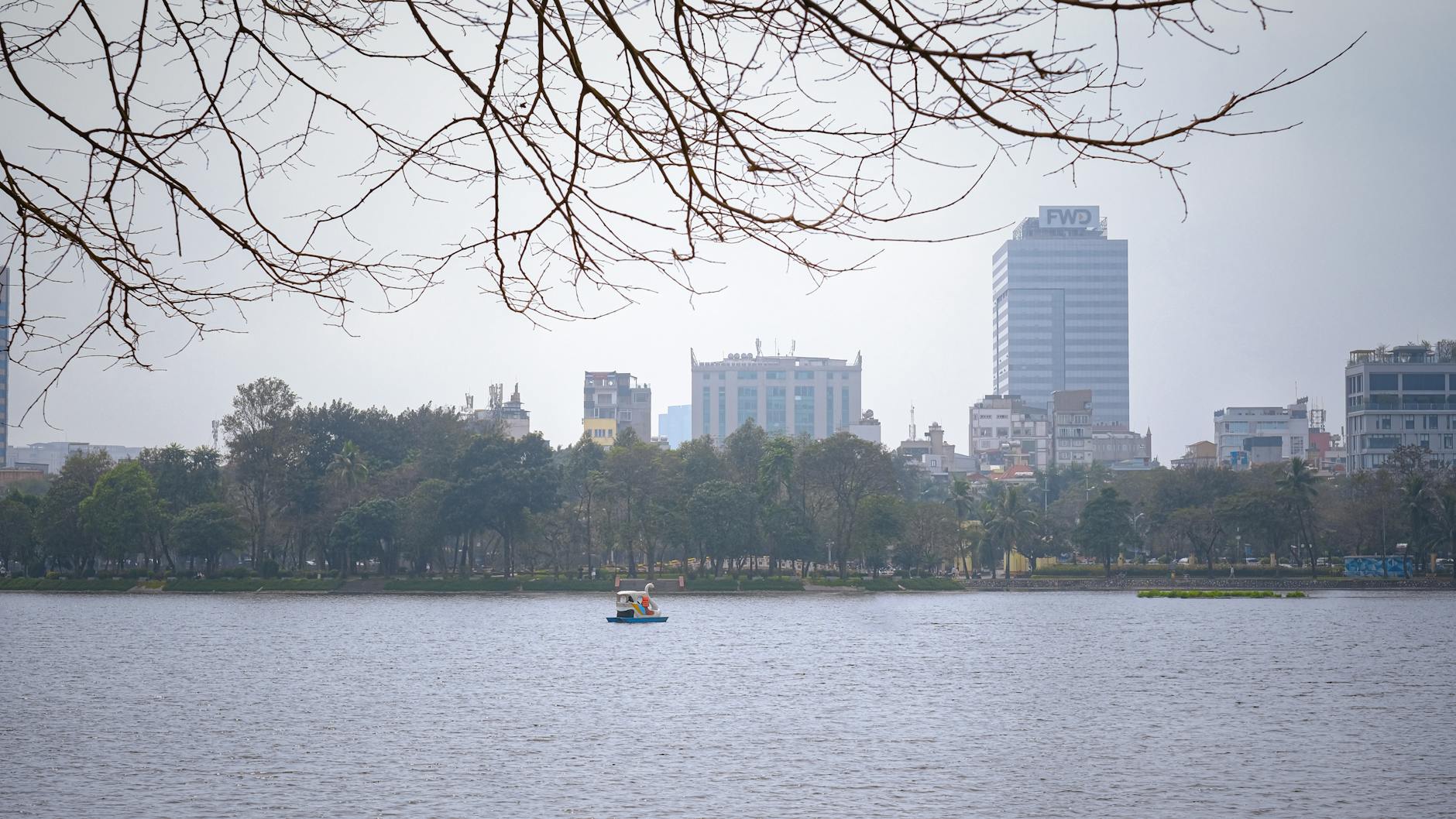
Captivating Landscapes
Diverse Ecosystems to Explore
When pursuing the best experiences in nature photography, the dynamic ecosystems of Australia offer enthralling possibilities. The lush environments invite photographers to capture unforgettable moments, and a closer look reveals the intricate beauty of these diverse locales. Whether you find yourself exploring the habitats nestled within the vibrant street art of Fitzroy, or losing yourself in nature at Yarra Bend Park, each setting presents a unique canvas for depicting the intimate relationship between flora and fauna.
An opportunity to photograph rare wildlife encounters, such as gorilla trekking Uganda, parallels the broad biodiversity of Tasmania's rugged landscapes. These landscapes hold a fastidious balance, urging photographers to appreciate the significance of environmental conservation in maintaining these ecosystems. Appreciate delicate ecological relationships as the water lilies bloom against Melbourne’s urban jungle backdrop.
As temperatures shift with the seasons, these natural changes drive a transformation across the landscapes. In spring, the Royal Botanic Gardens in Melbourne unveils a vibrant mix of flowers, drawing parallels to the blooming spectacles during gorilla trekking Rwanda. Embracing the art of capturing these ephemeral scenes enables photographers to showcase the perpetual dance of the environment and demonstrate the importance of preserving these fleeting moments.
Exploring these diverse ecosystems enriches our ability to depict nature's story, fueling a deeper connection with the world around us. As photographers, it's crucial to capture these environments with mindful intent, highlighting their beauty while advocating for their preservation through our lens.
Enhancing Visual Narratives
Utilizing Natural Light
As photographers, we know that natural light can transform a scene, just like the vibrant street art of Fitzroy becomes more impressive under the sun's rays. Capturing that perfect light isn't just about timing. It's about understanding how natural light interacts with the landscape, especially when you're documenting unique locations like a kenya safari or seeking out the majestic views during patagonia tours. In these moments, timing becomes essential. The hours shortly after dawn and before dusk, often referred to as the golden hour, provide a gentle, warm illumination that enhances textures and colours without harsh shadows.
Working with natural light requires patience and adaptability. Weather can change quickly, particularly in open savannahs or mountainous terrains. A cloudy day might instead offer soft, diffused light perfect for capturing nuanced details, while a sunny midday can work for creating dramatic silhouettes against the landscape. Environmental photography also calls for a deep sense of respect for the settings we capture.
Understanding how light interacts with different landscapes enriches our photographic journey. This connection between light and environment not only captures the aesthetic beauty but can also highlight the ecological significance of the site. Recognising and capturing these fleeting, naturally lit moments encourages viewers to appreciate and protect these invaluable ecosystems.
Storytelling with Local Wildlife
Documenting Rare Species
Embarking on galapagos islands tours offers a unique chance to capture rare species amidst unspoiled landscapes. As an environmentally-conscious photographer from Melbourne, my camera often seeks out Australia's unique environments like the vibrant street art of Fitzroy or Yarra Bend Park's natural landscapes. Similarly, the Galapagos Islands provide an awe-inspiring catalogue of biodiversity, making it a haven for capturing the raw beauty of nature. The secret lies in the ability to wait patiently and observe the natural behavior of creatures like the giant tortoises or marine iguanas, which offer glimpses into evolutionary marvels.
Highlighting Conservation Efforts
Engaging with the ethos of conservation through galapagos tours reflects the principles I've seen passionately upheld in places such as the Royal Botanic Gardens. Witnessing concerted efforts to protect these pristine islands involves documenting the delicate balance between tourism and nature preservation. Capturing this intricate dance can educate audiences about the critical importance of preserving these unique ecosystems for future generations, sparking a desire to protect our environment.
Engaging with Animal Behavior
To tell compelling stories through photographs, it's essential to capture both the instant and the essence of each animal's behavior. Understanding their routines offers profound insights, rooting your visual narrative in authenticity. As you explore eco-tourism, consider how observing the natural dramas unfolding in their habitats enriches your storytelling. Whether through capturing a rare glimpse of a blue-footed booby's mating dance or the playful antics of sea lions, each image holds the potential to inspire a deeper connection with our planet.
Traditional Practices and Stories
As an environmentally-conscious photographer based in Melbourne, there's immense value in capturing and sharing the richness of indigenous cultures. During a Botswana safari, one might feel humbled by the San people’s storytelling, which vividly depicts their intertwined relationship with nature. These stories, passed down from generation to generation, hold a wealth of ecological knowledge and a deep appreciation for the environment.
Bringing this closer to home, there's something magical about the vibrant street art of Fitzroy, where local artists draw inspiration from Aboriginal culture and stories. This art speaks volumes about the resilience and creativity of indigenous narratives. Nonetheless, such representation should be handled with care, ensuring that it honours the original voices and does not exploit them for mere visual appeal.
When traveling further to regions like South America, it's crucial for photographers to approach South America travel with an open mind and a respectful attitude. Indigenous traditions differ widely, from the Quechua people in the Andes to the Mapuche in Chile. Each of these communities offers unique insights into sustainable living and environmental stewardship. The aim should be to learn from these practices and incorporate them thoughtfully into visual storytelling.
By focusing on the authenticity and integrity of these traditional practices, photographers can foster a deeper connection with the land and the people who have stewarded it for centuries. This not only enriches the storytelling but also contributes to a broader conversation on preserving cultural and ecological heritage.
Overcoming Hurdles
Balancing Environmental Awareness with Art
Navigating the world as an environmentally-conscious photographer in Melbourne demands a delicate balance between creativity and respect for nature. In places like Yarra Bend Park, it’s crucial to tread lightly, ensuring that our art doesn't mar its natural beauty. By understanding the fragility of ecosystems, we contribute positively while capturing stunning visuals. To honour the vibrant street art of Fitzroy, we can draw parallels between sustainable urban art practices and our commitment to preserving natural landscapes.
Tackling Remote Locations with Precision
Venturing into remote areas offers the chance to experience untouched beauty, yet it requires precise planning and adaptability. I often venture to secluded parts of the Royal Botanic Gardens, making sure my visits align with minimal environmental impact. A solid plan involves understanding local weather conditions, respecting wildlife habitats, and preparing for unforeseen challenges. Each visit is an opportunity to both immerse in and capture the untouched vitality that these locations offer.
Strategies for Sustainable Tourism
Avoiding over-tourism is imperative to maintaining the essence of fragile areas. As photographers, advocating for responsible tourism in popular destinations helps maintain their pristine state. Encouraging alternative paths or timings for visits, and promoting the beauty of less frequented spots, can mitigate the strain on well-trodden locales. This approach ensures that future generations, too, can enjoy the serene and unspoiled beauty of these beloved places. By embedding this respect in our practices, we empower ourselves and others to preserve the wonders of our world.